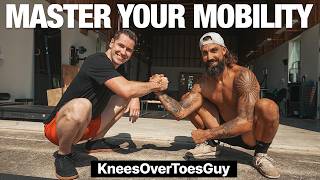
Ankle Sprain Prevention and Recovery with Knees Over Toes Training
Ankle sprains remain one of the most common musculoskeletal injuries among athletes and active individuals. Whether you play basketball, run trails, or simply step off a curb the wrong way, a sprained ankle can sideline you for weeks or even months. The Knees Over Toes (KOT) approach to training offers a compelling framework for both preventing ankle sprains and recovering from them more effectively.
Understanding the Ankle Sprain
An ankle sprain occurs when the ligaments surrounding the ankle joint are stretched or torn beyond their normal range. The lateral ligaments on the outside of the ankle are most frequently affected, particularly the anterior talofibular ligament (ATFL). Symptoms typically include swelling, bruising, pain with weight-bearing, and reduced range of motion.
Traditional rehabilitation often emphasizes rest and immobilization, but modern sports science increasingly supports active recovery methods. This is where the Knees Over Toes philosophy intersects powerfully with ankle sprain rehabilitation and prevention.
How Knees Over Toes Training Addresses Ankle Health
The Knees Over Toes training system, popularized by Ben Patrick (known as the "KOT Guy"), focuses on strengthening joints through their full range of motion. When applied to ankle health, this approach targets the structures most vulnerable during a sprain.
- Calf and soleus strength: The lower leg muscles play a critical role in stabilizing the ankle joint. KOT protocols often include full-range calf raises that strengthen the muscles from their longest to shortest positions.
- Tibialis anterior training: The front shin muscle helps control foot placement and absorbs impact during landing. Strengthening it creates a protective mechanism against ankle rolls.
- Ankle dorsiflexion mobility: Limited dorsiflexion is a known risk factor for ankle sprains. KOT training emphasizes restoring this range through progressive loading and mobility work.
- Proprioceptive training: Balance and joint awareness improve through the progressive challenges built into Knees Over Toes programming.
The Ankle Sprain Formula: What the KOT Approach Recommends
The KOT community has developed specific protocols for addressing ankle sprains. At its core, the approach involves gradually reintroducing range of motion under load rather than avoiding movement altogether. This promotes ligament healing while preventing the stiffness and muscle atrophy that come with prolonged rest.
Key components of the ankle sprain recovery formula include:
- Early movement: Gentle range of motion exercises begin as soon as pain allows, promoting blood flow to the injured tissues.
- Progressive loading: Exercises like the KOT split squat and slant board calf raises rebuild strength through increasing angles and resistance.
- Tissue quality work: Tools like the Voodoo Floss Band belong in every first aid kit for this reason. They can reduce swelling, reperfuse stiff connective tissue, and help restore joint mechanics after an ankle injury. Wrapping the affected area with compression while moving through range of motion can significantly accelerate recovery.
- End-range strengthening: The ligaments and tendons around the ankle are strengthened at the positions where they are most vulnerable, building resilience against future sprains.
Why Ankle Sprains Often Lead to Knee Problems
One of the most overlooked consequences of an ankle sprain is its effect on the knee. When ankle mobility is restricted after an injury, the body compensates during walking, running, and squatting. This compensation often manifests as increased stress on the knee joint.
Reduced dorsiflexion forces the knee to shift inward or limits how far forward the knee can travel during


![Top 3 Ankle Mobility Exercises [Strong Ankles]](https://i.ytimg.com/vi/IikP_teeLkI/mqdefault.jpg)