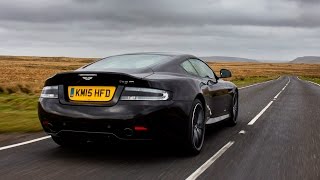
Aston Martin DB9 Review: Elegance Meets Performance
The Aston Martin DB9 continues to set the benchmark for British grand touring cars. Since its debut in 2004, the DB9 has evolved through several facelifts, yet it retains the timeless silhouette that makes it instantly recognizable. In this review we examine the design, engine, driving dynamics, and ownership considerations to help you decide whether this iconic “DadCar” belongs in your garage.
Design and Styling
Exterior
The DB9’s exterior is a study in restrained aggression. A long, low nose flows into a sharply raked windshield, while the signature Aston Martin grille sits proudly at the front. Subtle chrome accents highlight the side vents and rear spoiler, giving the car an aerodynamic look without sacrificing elegance. The new LED headlights, introduced in the 2013 refresh, improve night‑time visibility and add a modern touch to the classic profile.
Interior
Inside, the cabin blends luxury with driver‑focused ergonomics. Hand‑stitched leather seats offer ample support for long journeys, and the wood‑grain dashboard adds a warm, bespoke feel. The instrument cluster is simple yet functional, featuring a clear analog speedometer paired with a digital trip computer. Although the infotainment system lacks the most cutting‑edge touchscreen technology, the analog controls keep the driver’s attention on the road—a hallmark of Aston Martin’s design philosophy.
Performance and Engine
Powertrain
All DB9 models are equipped with a 5.9‑liter V12 engine, delivering 470 hp and 465 lb‑ft of torque. This naturally aspirated powerplant provides a smooth, linear power curve that is both exhilarating and predictable. The engine is paired with a six‑speed automatic transmission, which offers quick shifts and a manual mode for those who enjoy a more engaged driving experience.
Driving Dynamics
Jeremy, our test‑drive specialist, describes the DB9 as “flashy yet composed.” The car accelerates from 0‑60 mph in just 4.6 seconds, a respectable figure for a grand tourer of its era. The rear‑wheel‑drive layout, combined with a well‑tuned suspension, delivers confident cornering without excessive body roll. On winding roads, the DB9 feels planted, thanks to its balanced weight distribution and adaptive dampers that adjust to road conditions on the fly.
Ownership Costs
While the DB9 offers an unforgettable driving experience, prospective owners should be aware of the associated costs. Maintenance is typically higher than for