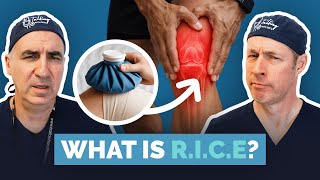
Does RICE Work for Injuries? A Practical Look at the Classic Recovery Method
When a sprain, strain, or minor joint injury occurs, the first thing many people think of is the acronym RICE – Rest, Ice, Compression, and Elevation. This protocol has been taught in schools, sports teams, and emergency rooms for decades. But does RICE really work for injuries such as an ankle sprain or knee strain? Below we break down the science, proper technique, and common misconceptions so you can decide whether to keep using RICE or consider newer approaches.
What RICE Actually Means
- Rest – Limit movement of the injured area to prevent further damage.
- Ice – Apply cold therapy to reduce swelling and pain.
- Compression – Use an elastic bandage or wrap to limit fluid buildup.
- Elevation – Keep the injured limb above heart level to promote drainage.
These steps are meant to be started as soon as possible after an injury and continued for the first 24‑48 hours, unless a medical professional advises otherwise.
Evidence Supporting RICE
Research on RICE is mixed, but several well‑controlled studies have shown benefits that align with the protocol’s goals:
- Ice reduces tissue temperature. Lower temperatures can slow the inflammatory cascade, which helps limit swelling.
- Compression limits fluid accumulation. Properly applied wraps create external pressure that encourages venous return.
- Elevation assists gravity‑driven drainage. Raising the limb above the heart reduces hydrostatic pressure, decreasing edema.
- Rest prevents re‑injury. Allowing damaged fibers to heal without added stress reduces the risk of chronic instability.
These findings have been replicated in studies of ankle sprains, knee ligament injuries, and muscle strains, suggesting that RICE can be an effective first‑line response for many acute musculoskeletal injuries.
Common Misconceptions About RICE
Even though RICE is widely taught, some details are often misunderstood:
- Ice should be applied for 20 minutes, not longer than 30. Prolonged exposure can cause frostbite or nerve irritation.
- Compression must be snug but not so tight that it cuts off circulation. Check for tingling, numbness, or a change in skin color.
- Elevation is most beneficial when the injured part is above heart level. A pillow or cushion can help maintain the proper height.
- Rest does not mean complete inactivity. Gentle range‑of‑motion exercises, as recommended by a therapist, can prevent stiffness while still protecting the injury.
When RICE Might Not Be Enough
Although RICE works for many minor injuries, there are situations where additional or alternative care is advisable:
- Severe fractures or dislocations. Immobilization and professional medical treatment are required.