How To Fight Norovirus: Symptoms, Treatment, and Prevention
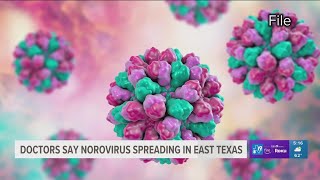
Norovirus is a highly contagious virus that causes acute gastroenteritis, commonly known as the stomach flu. Outbreaks occur in schools, nursing homes, cruise ships, and households, and the virus spreads easily through contaminated food, water, surfaces, and close contact. Understanding how to fight norovirus can reduce the severity of an illness and prevent further transmission.
Recognizing Norovirus Symptoms
Dr. Allen says if you are experiencing those symptoms of sudden nausea, vomiting, watery diarrhea, and abdominal cramps, you may be dealing with a norovirus infection. Other signs often include low‑grade fever, headache, and muscle aches. Symptoms typically appear 12–48 hours after exposure and last one to three days, but dehydration can extend the recovery period.
Immediate Steps to Manage the Illness
There is no specific antiviral medication for norovirus, so treatment focuses on supportive care:
- Hydration: Sip clear fluids such as water, oral rehydration solutions, or diluted fruit juices every 15–20 minutes. Children and the elderly may need more frequent intake.
- Rest: Allow the body to recover by staying in bed and avoiding strenuous activity.
- Diet: When appetite returns, start with bland foods like toast, rice, bananas, and applesauce. Avoid dairy, caffeine, and fatty foods until the gastrointestinal tract stabilizes.
- Medication: Over‑the‑counter anti‑nausea or anti‑diarrheal drugs can be used cautiously, but consult a healthcare professional before giving them to children.
If vomiting or diarrhea persists for more than 48 hours, or if you notice signs of severe dehydration (dry mouth, dizziness, reduced urine output), seek medical attention promptly.
How to Prevent Norovirus Spread
Prevention is the most effective way to fight norovirus. Follow these evidence‑based practices to protect yourself and others: