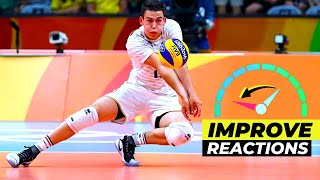
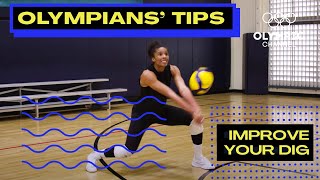
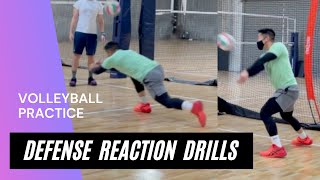
How To Improve Reaction Time in Volleyball
Reaction time is the hidden factor that separates good volleyball players from great ones. When a ball spikes, digs, or serves, the milliseconds between seeing the ball and moving your body decide whether you make a play or miss it. Below you’ll find proven strategies—rooted in sports science and real‑world coaching—that can sharpen your reflexes, boost confidence, and raise your game to the next level.
What Is Reaction Time and Why It Matters
In volleyball, reaction time is the interval from visual perception of the ball to the initiation of a physical response. It combines three components:
- Eye tracking: how quickly you locate the ball’s trajectory.
- Neural processing: how fast the brain interprets that information.
- Motor execution: how rapidly muscles respond.
Even a slight improvement—say, 0.1 seconds—can be the difference between a successful dig and a point lost. That’s why elite teams treat reaction training as a core part of their daily routine.
Eye and Brain Training Exercises
Training the eyes and brain together creates a faster, more reliable response system. Below are three exercises you can integrate into any practice session:
- Ball‑Drop Drill: Have a partner drop a tennis ball from shoulder height. As soon as you see the ball leave the hand, sprint to catch it before it bounces twice. This drill forces the eyes to track a falling object while the brain prepares a rapid motor response.
- Peripheral Vision Flick: Attach small, colored cones to a wall at eye level. Stand a few meters away and focus on a central point. When a coach calls out a color, glance sideways to locate the matching cone and tap it with a hand. This exercise expands peripheral awareness and speeds up decision‑making.
- Light‑Reaction Grid: Use a portable LED grid