How To Make Homemade Watercolor Paints Using Natural Foraging Pigments
Creating your own watercolor paints from pigments found in the wild is a rewarding way to connect art with nature. By harvesting colors from leaves, berries, bark, and minerals, you can produce a palette that is both unique and environmentally friendly. This guide walks you through every step—from gathering safe pigments to mixing a reliable binder—so you can enjoy vibrant, handmade watercolors in your studio or on a sketch‑pad.
Gathering Safe Foraging Pigments
Before you begin, it is essential to collect pigments that are non‑toxic and sustainably harvested. Here are common sources you can find in most temperate regions:
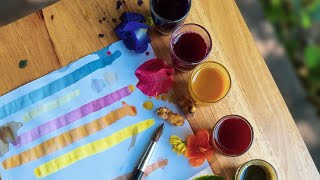
- Leaves and grasses: Dark greens from nettle or spinach, yellow from dandelion flowers, and soft blues from cornflower petals.
- Berries and fruits: Crimson from elderberries, deep purple from blackberries, and orange from wild marigold petals.
- Tree bark and wood: Rich reds from oak bark, earthy browns from walnut shells, and charcoal black from burnt wood.
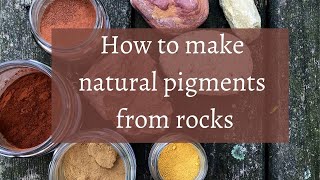
- Mineral powders: Iron oxides (rust) for reds and yellows, and natural clays for muted greys and tans.
Always double‑check the identification of each plant or mineral. Consult a reputable field guide or local botanist to avoid poisonous species such as nightshade or hemlock. Gather only what you need, and leave enough material for the ecosystem to regenerate.
Preparing the Pigment
Cleaning and Drying
After collection, rinse the plant material in cool water to remove dirt and insects. Pat dry with a clean cloth, then spread the pieces on a low‑heat oven tray (no higher than 120 °C / 250 °F) or a sunny windowsill. Drying removes moisture that could cause mold during storage. Once completely dry, grind the material into a fine powder.
Grinding Techniques
- Use a mortar and pestle for delicate petals and leaves; work until the texture feels like talc.
- For harder bark or mineral samples, a small coffee grinder or a ceramic burr grinder will produce a consistent fine grain.
- Sift the ground pigment through a fine mesh (about 100 µm) to separate larger particles. Return any coarse bits to the grinder for further processing.
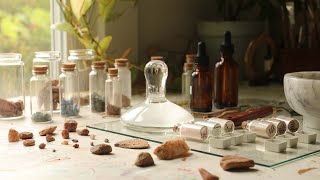
The resulting powder is your raw pigment. Store it in an airtight glass jar away from direct sunlight until you are ready to mix your paints.
Creating the Watercolor Binder
A traditional watercolor binder is gum arabic, a natural resin harvested from acacia trees. It dissolves in water and forms a flexible film when dry, allowing the pigment to re‑wet easily. You can purchase gum arabic powder or make a simple solution at home:
- Mix 1 part gum arabic powder