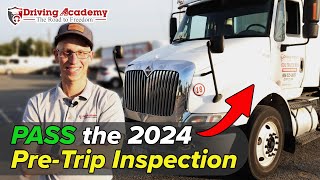
Ohio CDL Road Test: What You Need to Know
Obtaining a Commercial Driver’s License (CDL) in Ohio requires passing a written exam and a practical road test. The Ohio CDL road test evaluates your ability to operate a commercial vehicle safely and in compliance with state and federal regulations. This article outlines the steps to schedule the test, what to expect on the road portion, and the most common reasons candidates fail.
How to Schedule Your Ohio CDL Road Test
Before you can take the road test, you must first secure a passing score on the written knowledge exam. Once you have your commercial learner’s permit (CLP), follow these steps:
- Visit the Ohio Bureau of Motor Vehicles (BMV) website or call your local BMV office.
- Select an available date and location for the road test. Ohio offers testing at several BMV facilities and at approved third‑party testing centers.
- Pay the required testing fee. The fee varies depending on the class of CDL you are pursuing (Class A, B, or C).
- Gather the necessary documents: your CLP, a valid Ohio driver’s license, proof of insurance for the test vehicle, and a vehicle that meets the class requirements.
After scheduling, you will receive a confirmation with the date, time, and location of your test. Arrive at least 15 minutes early to complete any final paperwork.
What to Expect on the Road Portion
The road test typically lasts 30 to 45 minutes and is divided into three main sections: pre‑trip inspection, basic control skills, and on‑road driving.
1. Pre‑Trip Inspection
Inspectors will ask you to demonstrate a thorough walk‑around of the vehicle. You must identify and explain the function of key components such as brakes, lights, tires, and safety equipment. Accuracy and confidence are essential; a missed item can lead to an immediate fail.
2. Basic Control Skills
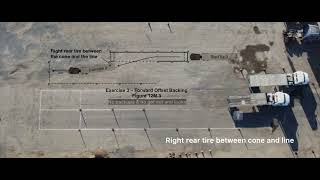
During this portion, you will perform maneuvers in a designated test area, including:
- Straight‑backing and forward‑backing
- Parallel parking
- Hill start (if applicable)
- Three‑point turn
These exercises assess your ability to control the vehicle precisely, maintain proper speed, and use mirrors effectively.
3. On‑Road Driving
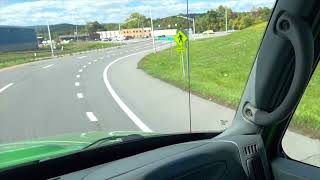
The final segment evaluates real‑world driving. You will be required to:
- Follow traffic signals and signs
- Maintain a safe following distance
- Execute lane changes and turns safely
- Perform a Safe Left Turn and a Curve to the left, allowing cars on the opposite side to make their left‑hand turns
During the test, the examiner may ask you to demonstrate specific actions, such as pulling over for a simulated emergency or navigating a busy intersection. Your ability to anticipate and react to other road users is closely observed.