Soccer Explained For Beginners: A Complete Guide
Understanding the Basics
Soccer, known as football in most of the world, is a team sport played on a rectangular grass or artificial‑turf field. Two teams of eleven players each compete to score goals by moving a spherical ball into the opponent’s net using any body part except the arms and hands. The game is governed by a set of simple rules that make it easy to learn but challenging to master.
Key Rules Every New Player Should Know
While the overall concept is straightforward, certain rules shape the flow of the game. Below are the most important points for beginners:
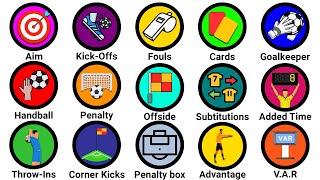
- Duration: A standard match lasts 90 minutes, split into two 45‑minute halves with a 15‑minute halftime break.
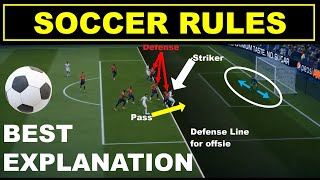
- Offside: An attacking player is offside if they are nearer to the opponent’s goal line than both the ball and the second‑last defender when the ball is played forward.
- Fouls and Free Kicks: Direct or indirect free kicks are awarded for various infractions such as tripping, pushing, or handling the ball deliberately.
- Penalty Kicks: A penalty is given for a foul committed inside the defending team’s penalty area, providing a direct shot from 12 yards out.
- Throw‑ins, Goal Kicks, and Corner Kicks: These restart play after the ball leaves the field of play, each with specific placement and technique requirements.
Positions and Their Roles
Understanding player positions helps beginners grasp how teams organize their attack and defense. The eleven positions are usually grouped into three lines:
- Goalkeeper – The only player allowed to use hands within the penalty area, responsible for preventing goals.
- Defenders – Includes centre‑backs, full‑backs, and sometimes a sweeper. Their main job is to protect the goal and clear the ball from dangerous areas.
- Midfielders – Central, defensive, attacking, and wide midfielders link defense and attack, control possession, and create scoring chances.
- Forwards – Strikers and wingers focus on scoring goals and applying pressure on the opposing defense.
Essential Skills for New Players
Developing fundamental skills early makes the learning curve smoother. Beginners should concentrate on the following areas:
- Ball Control: Mastering first touch, dribbling, and shielding the ball from opponents.
- Passing: Practicing short, crisp passes and longer, accurate balls to maintain possession.
- Shooting: Learning proper technique for striking the ball with power and accuracy.
- Heading: Using the forehead to direct the ball safely, especially during aerial duels.
- Physical Fitness: